
CaliClaims Law
one call. that's all
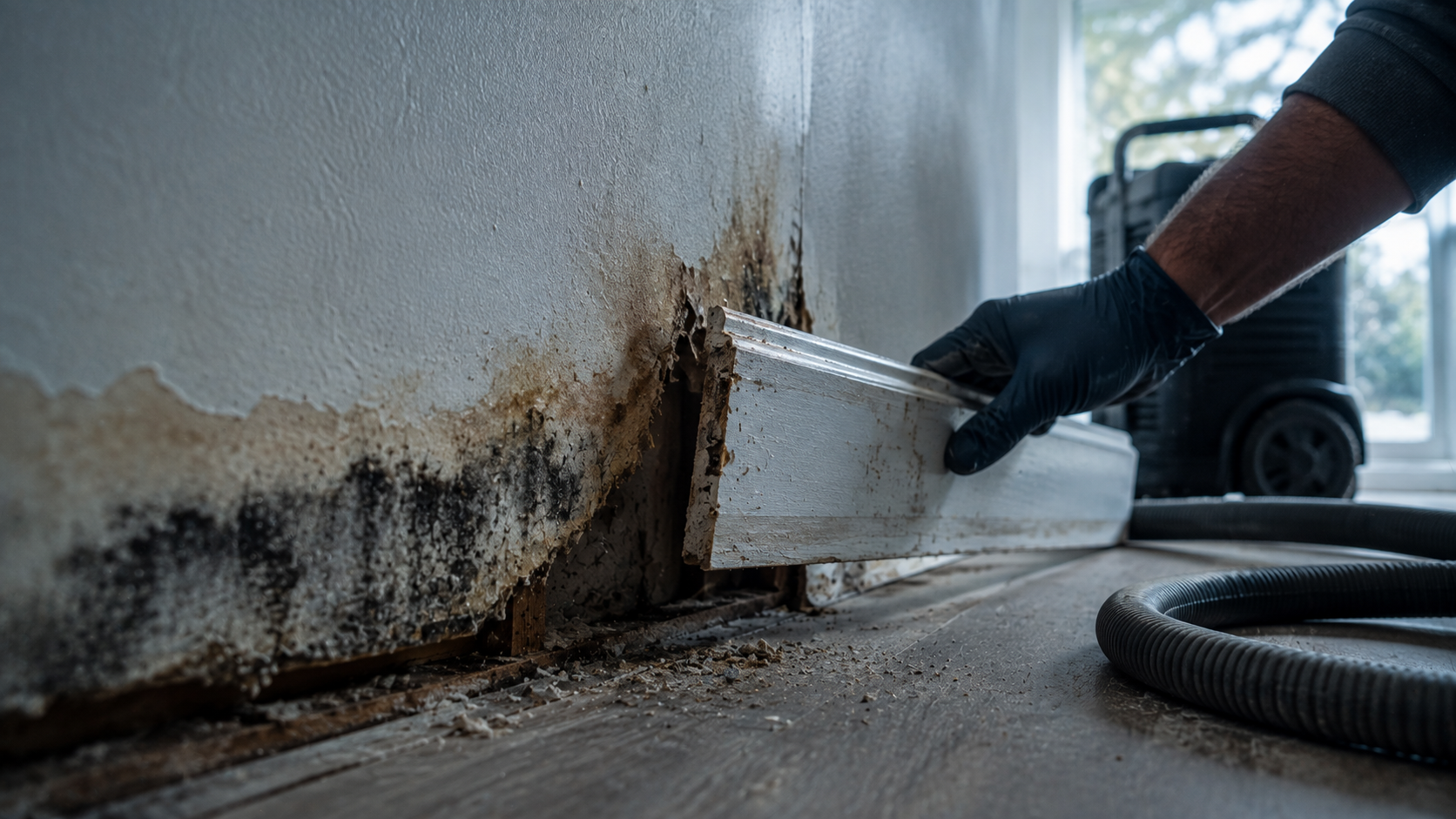
Mold shows up late and gets blamed early. Weeks after a pipe failure or a roof leak, a musty smell settles in, discoloration blooms along a baseboard, and the claim that seemed to be winding down acquires a second act, one the carrier greets with a different vocabulary: excluded, capped, maintenance related.
The truth about mold coverage in California sits between the extremes. Policies do exclude mold as a peril of its own, the slow growth in a chronically damp bathroom that nobody addressed. Policies also, in many forms, cover mold that results from a covered water loss, subject to sublimits, and the distance between those two treatments is where most of the money changes hands. The carrier's instinct is to describe every mold finding in the first vocabulary. The policyholder's job is to keep the causation chain attached.
This article maps the coverage, the caps, and the documentation that keeps a mold claim connected to the water event that created it. Coverage always depends on the specific policy language and the facts of the loss.
Start with the exclusion. Standard forms exclude loss caused by mold, fungus, or rot, language aimed at long term moisture conditions, chronic leaks, poor ventilation, deferred maintenance. Standing alone, that exclusion would end most conversations, which is why it never stands alone.
Next comes the giveback. Many California policies add an exception or endorsement covering mold when it results from a covered peril, most commonly the sudden and accidental water discharges the policy already covers, and often framed as limited coverage with its own dollar cap. Under this structure, mold that grew from the burst supply line's water is inside the policy, while mold from the shower that leaked for two years is not, and the entire analysis collapses into the causation question the water articles in this series live on.
The efficient proximate cause principle then does its quiet work. Where a covered water event is the predominant cause that set the loss in motion, California's approach to mixed causation generally keeps coverage attached even though mold, an excluded word, appears in the chain. A denial that recites the mold exclusion without engaging the covered water event behind the growth has skipped the analysis the state actually requires.
Mold sublimits are real, commonly a modest five figure cap, sometimes lower, occasionally raised by endorsement, and they are also routinely overapplied. The cap governs the mold remediation itself: the testing, containment, treatment, and removal of mold contaminated materials. It does not convert the entire water loss into a mold claim.
The distinction pays in practice. Drying the structure, tearing out water damaged drywall, repairing the flooring the discharge ruined, and rebuilding what the water destroyed are water loss costs, payable under the main coverage, even where some of those surfaces also happened to grow mold before drying finished. A carrier that routes the whole restoration through the mold sublimit because mold was present has recharacterized a covered water loss into its smallest available box, and that move deserves a written, line by line challenge.
Read your own numbers before the dispute starts. The declarations and the mold endorsement state the cap and what it applies to, and the remediation contractor's invoice can be structured to separate mold specific work from general water restoration. Invoices that blend everything into one line make the carrier's overapplication easy. Invoices that itemize make the sublimit apply only where the policy says it does.
The remediation protocol itself is a claim document worth insisting on. Serious remediation runs to a written scope: containment of the affected area, controlled removal of contaminated materials, treatment, and clearance verification at the end, and that protocol does double duty, guiding the work and defining for the carrier exactly which activities are mold remediation as opposed to water restoration. A job run without a written protocol invites both incomplete work and a settlement where the carrier characterizes the whole invoice however suits it.
Vendor dynamics deserve open eyes. Carriers commonly refer their own mitigation and remediation networks, and network firms can do competent work, on scopes calibrated to what the carrier prefers to pay. You choose who works on your home. Where the carrier's vendor dried the structure and mold appeared anyway, that history belongs in the claim, and where scopes differ between the carrier's vendor and your own remediation contractor, the difference is a written dispute to resolve before demolition, not a discovery to make after the walls are closed.
Everything descends from the covered discharge, so its file, the failed part, the plumber's report, the photos, the mitigation records, is also the mold claim's foundation. If the water claim is documented, the mold that followed inherits the documentation.
Moisture readings and drying logs either show the structure was dried to standard, which makes later growth a remediation question, or show the carrier's mitigation stopped early, which makes the growth a consequence of the underdrying. Both stories help the policyholder more than silence does.
Independent sampling establishes the extent of contamination and, after work completes, that clearance was achieved. Objective results move mold disputes the way they move smoke disputes: from adjectives to numbers.
A dated photo log of when discoloration first appeared, where, and how it progressed ties the growth to the water event's timeline and answers the long standing condition characterization before it hardens into a denial.
Instruct the remediation contractor to invoice mold specific work distinctly from water restoration. The paperwork architecture decides how much of the loss the sublimit can even claim to reach.
When the cap gets stretched across the whole claim, respond with the policy's own words: the exclusion, the exception, the sublimit's stated scope, and an allocation of each invoice line to the coverage that owes it. Specific allocations are hard to wave away.
Water claims often turn on a single question: whether the loss happened suddenly or developed over time. That distinction can decide coverage, and it is frequently resolved against the policyholder with little explanation. Send us what you have. We read the policy language the insurer is relying on and tell you how it applies. Reviews cost nothing.
Get my free claim reviewMold carries health associations that make these losses feel urgent, and the property claim runs on property proof. Occupants' concerns can support the reasonableness of prompt remediation and, where conditions genuinely prevent safe occupancy, the loss of use analysis covered elsewhere in this series. What the concerns cannot do is substitute for causation and scope evidence, and policyholders serve themselves best by keeping the claim's engine room stocked with moisture data, testing results, and the water event's file while the household's health questions go to the household's own professionals.
Mold files get rebuilt around their water event first, because that is where coverage lives. The firm reassembles the discharge evidence, the drying record, and the growth timeline, then audits the carrier's characterization: what was called mold that was really water damage, what was routed through the sublimit that the sublimit does not reach.
The allocation then goes back in writing, invoice line by invoice line, with the policy's exception and cap language attached. Policyholder side only, on every file, and the objective is a restoration paid under the coverages that actually apply rather than the smallest cap the carrier could find.
Past results do not guarantee a similar outcome. Every claim is different.
Too absolute. Standalone mold from chronic conditions is generally excluded, and mold resulting from a covered water loss is frequently within the policy's exception or endorsement, subject to a cap. Ask for the specific provision behind the never, and read it next to the exception the same form almost certainly contains.
Commonly in the low five figures, sometimes less, with higher limits available by endorsement on some policies. Your declarations page states yours. The more useful question is what the cap applies to, because a correctly scoped sublimit alongside a fully paid water loss is a very different outcome than a whole claim squeezed under the cap.
Not inherently. Late appearing growth is consistent with incomplete drying or hidden moisture, both of which trace back to the original covered event, and the drying records from the mitigation are where that story gets told. Report the finding promptly, document it with dates and photos, and connect it in writing to the earlier loss rather than opening it as an orphan claim.
Small surface growth on nonporous materials sometimes yields to careful cleaning, and anything beyond that, growth in wall cavities, on porous materials, or across a wide area, belongs with a remediation professional, both for effectiveness and because do it yourself work destroys the documentation a disputed claim needs. When in doubt, test first, then decide with results in hand.
An allocation audit: which costs the sublimit legitimately reaches, which belong to the water loss, and what the carrier's letter got wrong. Bring the policy, the invoices, and the correspondence. CaliClaims Law reviews property insurance claims for Southern California policyholders at no cost. One call. That's all.