
CaliClaims Law
one call. that's all
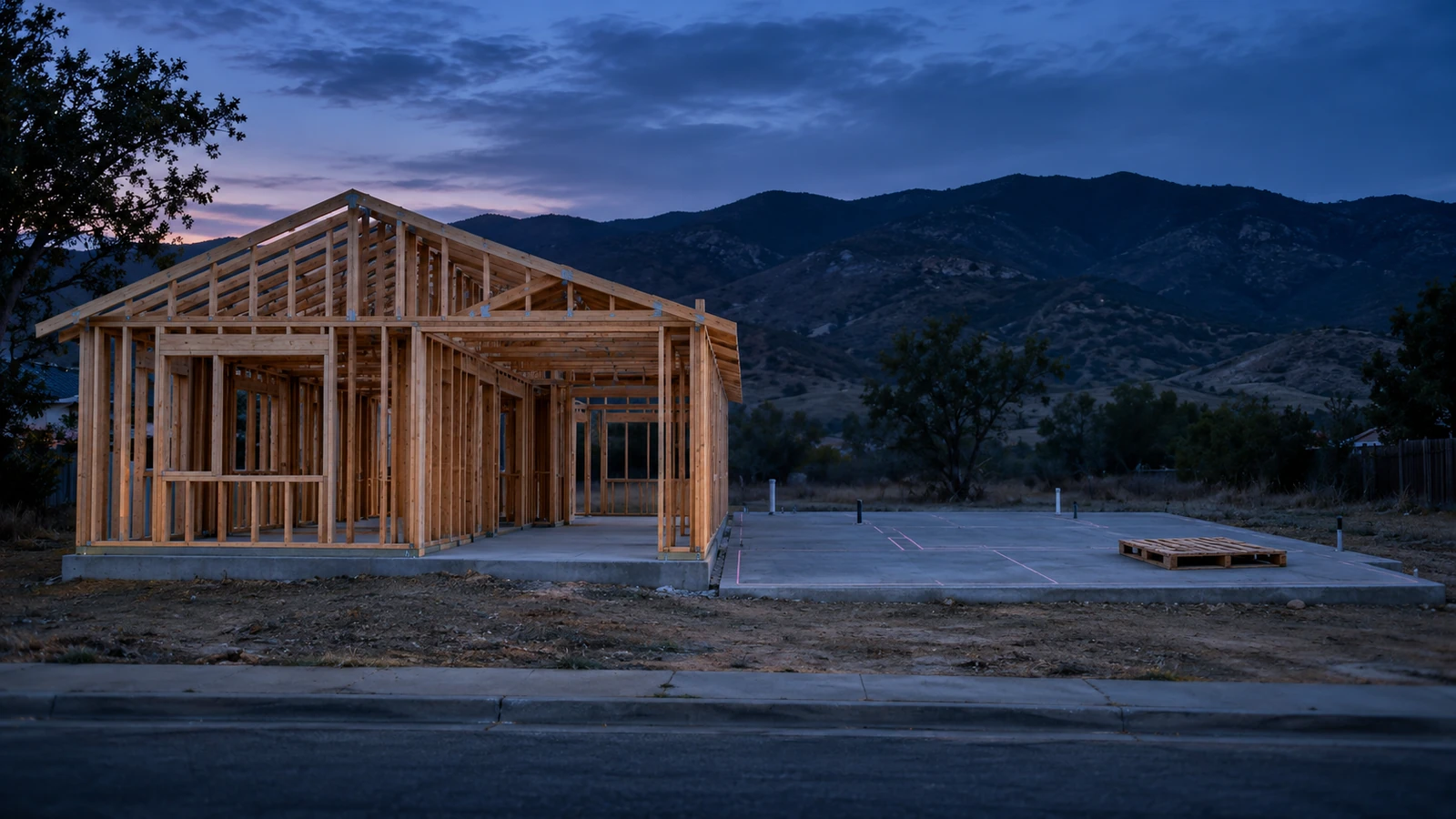
Weeks after a house fire, a second piece of bad news can arrive: the adjuster's estimate or your contractor's bid comes in above the dwelling limit on your declarations page, and you realize the policy you paid on for years may not rebuild the home it was written to protect. On a Southern California rebuild, that gap reshapes every other decision in the claim.
If you're facing that gap, you are probably asking two questions at once: how much the policy will actually pay toward the rebuild, and how the limit ended up so far below what rebuilding costs. Both answers live in documents: the policy and its endorsements, the replacement cost estimate behind the limit, the disclosures from the sale and each renewal, and the record of every conversation about how much coverage to carry.
This article explains how dwelling coverage and the endorsements above it generally work, what California requires of the replacement cost estimate and its disclosure to you, and the questions owners commonly ask about the agent's or broker's part in choosing the number. It is general information, not an evaluation of any particular claim. Coverage always depends on the specific policy language and the facts of the loss.
Dwelling coverage, usually labeled Coverage A, insures the house itself: the structure, attached features such as an attached garage, and the built-in systems, including framing, roofing, plumbing, wiring, and fixtures. Fire is generally a covered peril under California homeowners policies, so on most fire claims the dispute centers on how much the policy will pay to put the house back.
On a replacement cost policy, that amount is generally measured by what it costs to rebuild with materials of like kind and quality at current prices. It is generally a construction figure, separate from what the house would sell for, and it generally does not include the land. A home with a high market value can still be underinsured, because rebuild costs and sale prices move on different tracks.
The limit is the ceiling. Whatever the rebuild actually costs, the base policy generally pays no more than the dwelling limit on the declarations page, unless an endorsement adds coverage above it. On a partial loss the limit rarely matters. On a serious fire or a total loss, it can become the most important number in the file.
Other coverages are often tied to that number. Other structures, personal property, and loss of use limits are frequently written as a percentage of Coverage A, and so are many code upgrade provisions. A dwelling limit that is too low tends to pull the others down with it, which is why underinsurance on the house often shows up as shortfalls across several coverages at once.
Many California homeowners policies carry an endorsement that adds dwelling coverage beyond the stated limit. The California Residential Property Insurance Disclosure describes extended replacement cost as coverage above the dwelling limit, up to a stated percentage or a specific dollar amount. A $600,000 dwelling limit with a 25 percent extended replacement cost endorsement, for example, generally makes up to $150,000 more available if the rebuild runs past the base limit.
The percentage is only the start. These endorsements commonly carry conditions. Some require that you told the insurer about additions or remodeling within a set period. Some require that you accepted the insurer's inflation adjustments at renewal, or that the limit was kept at the insurer's own estimate. Some apply only if you actually rebuild. Each condition is a place where the extra coverage can be disputed after a loss.
The same disclosure describes a broader option, guaranteed replacement cost: coverage that pays the full cost to repair or replace the dwelling after a covered loss, regardless of the dwelling limit. California law does not allow a policy to be issued or renewed under that description if it contains a preset maximum on dwelling coverage. The endorsement page is generally where the uncapped and capped forms are told apart.
Code upgrade costs are a separate piece. When a rebuild must meet current codes, the added cost is generally handled under ordinance or law coverage, which has its own limit and conditions.
California treats the replacement cost estimate as a regulated communication, and that matters after a fire because the estimate is often the only document showing how the limit was built. Under 10 CCR §2695.183, an insurer, agent, or broker that communicates a replacement cost estimate for a homeowners policy written on a replacement cost basis must include the cost to rebuild the entire structure: labor, materials, overhead and profit, demolition and debris removal, permits, and architect's plans. It must also account for the home's features, such as foundation, framing, roof, siding, slope, living area, stories, interior finishes, age, attached garage, and location. If the estimate behind your limit left out permits or debris removal, or assumed one story where there were two, part of the gap may trace back to that page.
The regulation also bars certain shortcuts. The estimate must reflect your specific home rather than the cost of building tract houses, it cannot be based on the land's resale value or a loan amount, it cannot deduct for depreciation, and its sources must be checked at least once a year against local reconstruction costs. An estimate that falls short of these standards is treated as misleading under California's unfair practices statute. A limit that tracks a mortgage balance or a sale price, rather than a construction figure, is the kind of detail owners commonly notice when they set the estimate beside the rebuild bids.
The rules also create a paper trail. When an estimate is communicated, a copy must go to the applicant or insured, itemized by cost category and showing the assumptions about the home, and revised estimates must be provided too, unless the change comes only from an inflation factor. Licensees must keep copies of estimates for as long as the coverage lasts, plus five years, so the estimate behind a limit set many renewals ago should still be on file.
California Insurance Code §10103.4 adds a renewal check. An insurer offering replacement cost coverage must, every other year when it offers to renew, give the policyholder an estimate of the cost to rebuild prepared under those regulations, or comply through an alternative the statute allows, such as basing the renewal limit on a local construction cost inflation factor. For your claim, that means the renewal packets should show either a rebuild estimate or the inflation adjustment the limit rode on. The statute also lets the parties agree to a limit above or below the estimate, and it leaves in place the policyholder's existing duty to select coverage limits.
Under Insurance Code §10102, the insurer or agent must provide the California Residential Property Insurance Disclosure with the application, obtain your signed acknowledgment, and provide the disclosure again every other year at renewal. The form warns that insuring a home for less than its replacement cost can leave the owner paying large sums to rebuild, and that rebuild cost is almost always different from market value. The signed form in your file shows which coverage levels were described to you and which were selected.
Whether a given estimate complied, and what follows if it did not, are questions about a specific policy history that a lawyer would need to review.
Owners who learn they are underinsured often look first at the person who sold the policy. As California courts have described it, the general rule is that an agent or broker has no general duty to volunteer advice about whether limits are adequate. Choosing the limit is treated as the policyholder's responsibility, and §10103.4 expressly leaves that duty in place.
Courts have also recognized situations where an agent may take on more: misrepresenting the nature, extent, or scope of the coverage; a specific request from the insured for a particular type or amount of coverage; or an added duty assumed by express agreement or by holding out as having special knowledge. When an agent answers a direct question about whether coverage is adequate, courts have treated the answer as something that must be given with reasonable care.
Whether any of that fits a particular history is a contested and uncertain fact question, and it generally sits apart from the claim against the insurer, whose obligation generally runs from the policy as written. What tends to matter is evidence: emails and texts with the agent, notes of calls, the application, signed disclosures, renewal estimates, and any specific request you made about the type or amount of coverage.
Fire and smoke claims tend to erode one category at a time. Repair scope, like-kind quality on what gets replaced, cleaning where materials cannot be restored, and how long additional living expenses run. Send the denial letter, the estimate, or just the story, and we review your policy and the insurer's position at no cost.
Get my free claim reviewA carrier estimate that runs low on scope can look harmless when the limit is the binding number, but at every payment stage of the California property insurance claim process it still affects whether the extended replacement cost layer is triggered and how much of it is used.
When the dwelling limit is short, every cost charged against it matters. Debris removal and code upgrade work, for example, carry their own limits in many policies; if those costs are paid out of the dwelling coverage instead, they use up money that could have gone to framing and finishes. Limits written as a percentage of Coverage A shrink along with it, which is how a short dwelling limit can also thin out a personal property claim after a fire and loss of use coverage.
Where the family rebuilds also interacts with the limit. California law generally lets an owner rebuild or buy elsewhere without losing replacement cost benefits, but the payment is generally still measured against rebuilding at the original site, which matters when the limit is already short.
When the gap appears, owners tend to work through the same records and comparisons.
On an underinsured fire claim, CaliClaims Law's review starts with the certified policy, every endorsement, each renewal's declarations, any replacement cost estimates and disclosures, and the claim file. Those estimates and disclosures matter to the insurer claim because extended replacement cost conditions, such as keeping the limit at the insurer's own estimate or reporting remodeling, generally depend on that history. From there the firm looks at whether the dwelling payment, the extended coverage, and the related coverages are being applied as the policy is written.
The firm acts for homeowners and never for carriers, property insurance claims are the only work it takes, and owners anywhere in Southern California can have that review done without charge.
Past results do not guarantee a similar outcome. Every claim is different.
Generally not. On a replacement cost policy, dwelling coverage is generally meant to reflect what it costs to rebuild the structure, not what the property would sell for. Land is generally not part of it, and California's estimate rules bar basing a replacement cost estimate on the land's resale value or a loan balance.
Not always. It generally adds a stated percentage or dollar amount above the dwelling limit, but endorsements commonly carry conditions, such as reporting improvements, accepting inflation adjustments, or completing the rebuild. Whether those are met depends on the wording and the policy history.
Ask the insurer in writing for every replacement cost estimate prepared or used for the property, with its itemization and assumptions. California regulations require a copy when an estimate is communicated and require licensees to keep estimates for as long as the coverage lasts, plus five years.
It depends on the facts, and the answer is often uncertain. California courts generally treat choosing the limit as the policyholder's responsibility, with recognized exceptions such as misrepresenting coverage, responding to a specific coverage request, or taking on an added duty. The emails, notes, and disclosures from the sale and renewals bear on that separate question, which is distinct from the claim against the insurer.
Yes. A review looks at the policy and endorsements, the estimates and disclosures that bear on the extended replacement cost conditions, and how the insurer is applying the dwelling and related coverages. Bring the declarations pages, any estimates, the adjuster's estimate, your contractor's bid, and your correspondence. CaliClaims Law reviews property insurance claims for Southern California policyholders at no cost. One call. That's all.