
CaliClaims Law
one call. that's all
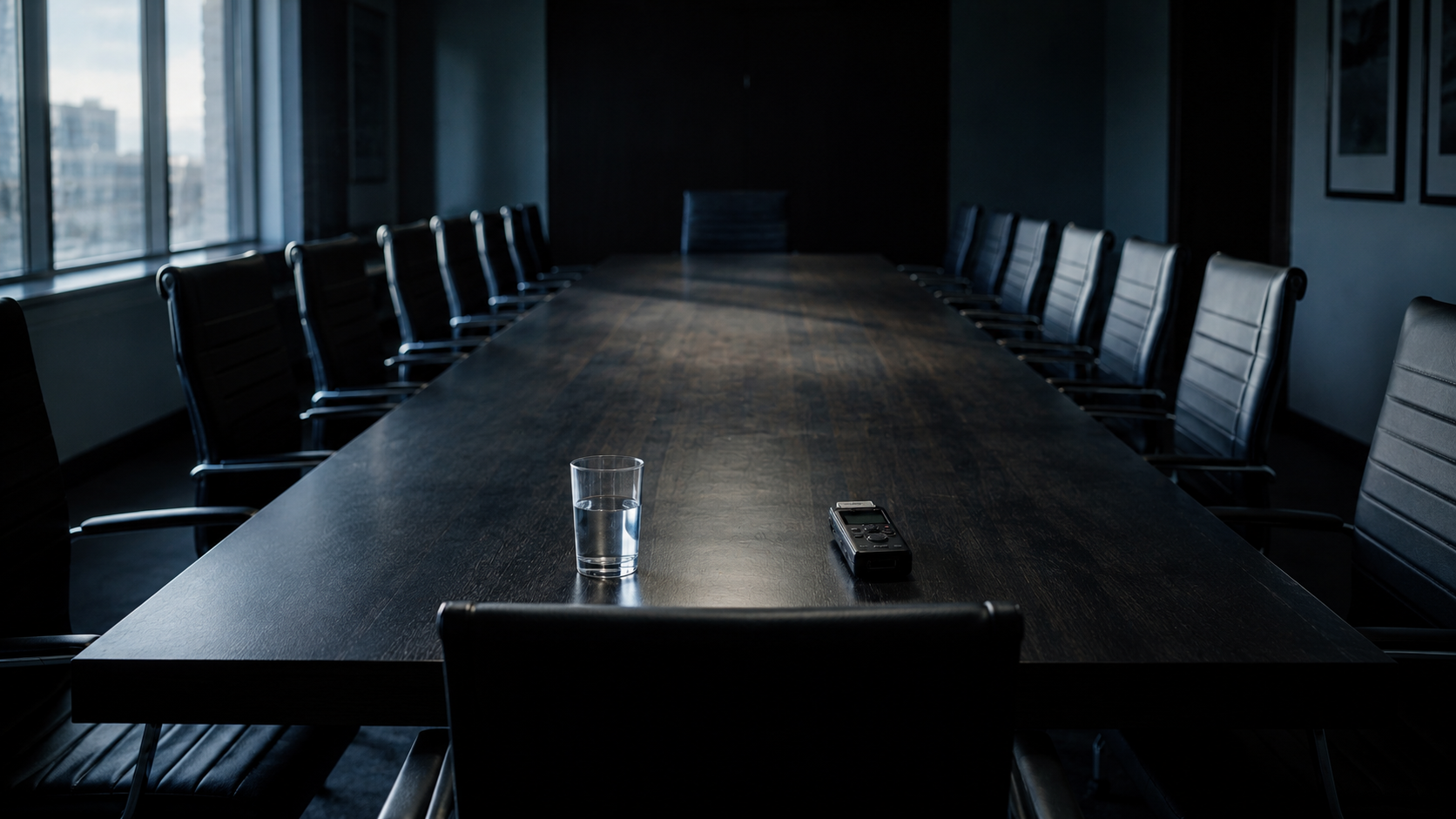
Somewhere in the conditions section of a homeowners policy sits a sentence most people never read: the insured agrees, as often as reasonably required, to submit to examination under oath. For the majority of claims it stays dormant. When a letter arrives invoking it, the claim has changed character.
An examination under oath is formal testimony. A lawyer or senior representative for the carrier asks questions, a court reporter transcribes, and the answers are sworn. It is a contractual tool the insurer uses to investigate, and it is also, unavoidably, a record being built by one side of a potential dispute.
The right response is neither panic nor defiance. It is preparation, on a schedule you help set, with your own record straight before you sit down. Coverage always depends on the specific policy language and the facts of the loss.
The EUO differs from every earlier conversation in the claim. A recorded statement is informal and typically happens in the first days. An EUO comes later, under oath, on notice, often at a law office, frequently paired with a document demand covering the claim, the finances, or the property history. The transcript becomes part of the claim file and can surface again in litigation.
The scope is tied to the claim: the loss event, the damage, the ownership and condition of the property, the inventory, the repair costs. Questions can feel intrusive, and some intrusiveness is within the carrier's investigative rights, but the examination is not unlimited, and relevance objections exist even in a contractual proceeding. Where the line sits in a given case is a judgment call best made with counsel.
The mechanics are worth demystifying. Sessions commonly run a few hours, sometimes a full day on large losses, in a conference room with the examiner, the court reporter, the policyholder, and policyholder's counsel if retained. Spouses and co insureds can be examined separately, and carriers sometimes ask for that. There is no judge and no jury, questions get answered rather than ruled on, and breaks are normal and available for the asking. Knowing the shape of the day in advance removes a good share of its intimidation.
Sometimes the reason is scale, a large loss the carrier wants nailed down under oath before paying. Sometimes something in the file has raised a flag, an inconsistency between statements, a valuation the carrier doubts, a fire origin question, a claims history. And sometimes the EUO functions as pressure, added friction on a claim the carrier hopes will shrink or go away.
The policyholder rarely gets told which of these is operating, and it pays to assume scrutiny. Testimony that contradicts an earlier statement, an application, or a document produced in the same investigation is where EUOs do damage, and material misstatements under oath can jeopardize coverage entirely. Precision, and preparation that makes precision possible, is the entire game.
Whatever the claim type, the first step is the same. Send the denial letter, the estimate, or just the story. We read your policy, the insurer's position, and the gap between them, then tell you where you stand. There are no upfront fees, and fees come only out of a recovery.
Get my free claim reviewProduction discipline pays for itself at the session. Deliver documents as an organized, indexed set, keep an identical copy of exactly what went out, and note anything requested that does not exist or is still being gathered, in writing, rather than leaving gaps unexplained. Examiners build questions from the production, so knowing your own set cold, which statement, which invoice, which photo, means no exhibit lands as a surprise, and the transcript reflects a policyholder in command of the file rather than reacting to it.
Cooperation runs both directions. The same California claims handling framework that lets the carrier investigate obliges it to conduct that investigation reasonably and to keep the claim moving toward a decision. An EUO demand does not suspend the carrier's obligations, and an investigation that sprawls without explanation, reschedules endlessly, or demands documents with no connection to the loss can itself be challenged in writing.
The policyholder's core protections are practical ones: reasonable notice and scheduling, the ability to prepare, the general availability of counsel at the examination, an accurate transcript with the chance to correct it, and after the EUO concludes, a carrier that still has to evaluate the claim on its merits and give any denial a stated basis. Holding the process to those points keeps a legitimate investigative tool from becoming an open ended stall.
Repeat demands get measured against a reasonableness standard. The policy language itself says as often as reasonably required, and a second examination covering genuinely new ground reads differently than a third session replowing the first two. Where the process starts looking like attrition, the response is a written objection that documents the pattern while continuing to cooperate with what remains legitimate, which preserves both the claim and the record.
EUO defense is mostly done before anyone testifies. The firm's preparation runs through the carrier's file as the examiner will read it, finds the inconsistencies and soft spots first, and gets the documents and timeline into a shape the testimony can rest on.
At the examination itself, having policyholder counsel in the room changes the temperature: scope stays tethered to the claim, improper lines get addressed, and the client answers questions instead of managing the process alone. Afterward, the transcript gets reviewed and the carrier gets held to a decision. Policyholders are the only side CaliClaims Law works for.
The follow through is deliberately unglamorous. After the transcript and any supplemental production, the carrier receives a written request for its decision timeline, and the file gets calendared so silence has a response date. Examinations have a way of becoming pauses that become stalls, and the discipline of demanding the next step in writing is what converts an investigative detour back into a claim moving toward payment.
Past results do not guarantee a similar outcome. Every claim is different.
Skipping a properly demanded EUO puts the claim itself at risk, because submission is a policy condition and carriers treat nonappearance as noncooperation. The productive path is the opposite: attend, prepared, with the schedule and scope negotiated in advance and counsel involved. Protecting the claim and protecting yourself point the same direction here.
No. The recorded statement was informal and unsworn. The EUO is transcribed testimony under oath, and one of its quiet purposes is to compare your sworn answers against that earlier statement. That is exactly why rereading the earlier record is a core preparation step, and why the recorded statement gets its own article later in this series.
Materials reasonably related to the claim: proof of ownership and occupancy, inventories, receipts, repair records, photographs, and in some investigations financial records bearing on the loss. Relevance has limits, and overbroad demands can be narrowed through counsel rather than ignored, since silence reads as noncooperation while a reasoned written objection does not.
Not necessarily, and you should prepare as if it might. EUOs issue on large ordinary claims and on suspected ones alike, and the carrier does not announce which file you are in. Treating the examination with full seriousness costs a prepared policyholder nothing and protects the ones who needed it.
Yes, and the earlier the better, since preparation is where the outcome is mostly decided. Bring the notice, the document demand, and the claim correspondence. CaliClaims Law reviews property insurance claims for Southern California policyholders at no cost. One call. That's all.