CaliClaims Law
one call. that's all
Property damage rarely arrives at a convenient moment. A supply line fails overnight, a storm takes part of a roof, a fire leaves a house full of smoke. In the hours that follow, most property owners in Los Angeles do the obvious things: call the insurer, wait for an adjuster, and start cleaning up.
The cleaning up is the problem. Evidence disappears quickly, and a claim is largely decided by what can be proven later rather than by what actually happened. The first three days are when that proof is either captured or lost, and almost none of it can be recreated afterward.
This guide covers what to do, in what order, during the first 72 hours: how to report the loss, what to document before touching anything, which emergency repairs the policy expects, and the handful of common mistakes that make an otherwise straightforward claim harder than it needed to be.
Most policies require prompt notice of a loss, so reporting quickly is both required and sensible. Call the carrier, describe what happened in plain terms, get a claim number, and write down the name of the person taking the report along with the date and time.
What is generally not required on that first call is a detailed account of everything damaged. At that point the full extent of the loss is usually not known. Water travels behind walls, smoke settles into materials over days, and structural damage often is not visible until something is opened up. A description given in the first hour can end up defining the claim more narrowly than the damage deserves.
If the carrier requests a recorded statement immediately, it is reasonable to say the loss is still being assessed and to ask to schedule it once documentation is complete. Recorded statements are a substantial subject on their own, and they are worth understanding before agreeing to one.
This is the highest value hour of the entire claim. Before furniture moves, before wet carpet comes up, before anything is thrown away, capture the scene.
The purpose is not to build a case. It is to preserve a record of a condition that will not exist next week. Whether the claim turns out straightforward or contested, that record is what everything else gets measured against.
Whatever the claim type, the first step is the same. Send the denial letter, the estimate, or just the story. We read your policy, the insurer's position, and the gap between them, then tell you where you stand. There are no upfront fees, and fees come only out of a recovery.
Get my free claim reviewMost policies require the property owner to take reasonable steps to prevent further damage. That duty is real, and failing to act on it can create an argument that some of the damage was avoidable.
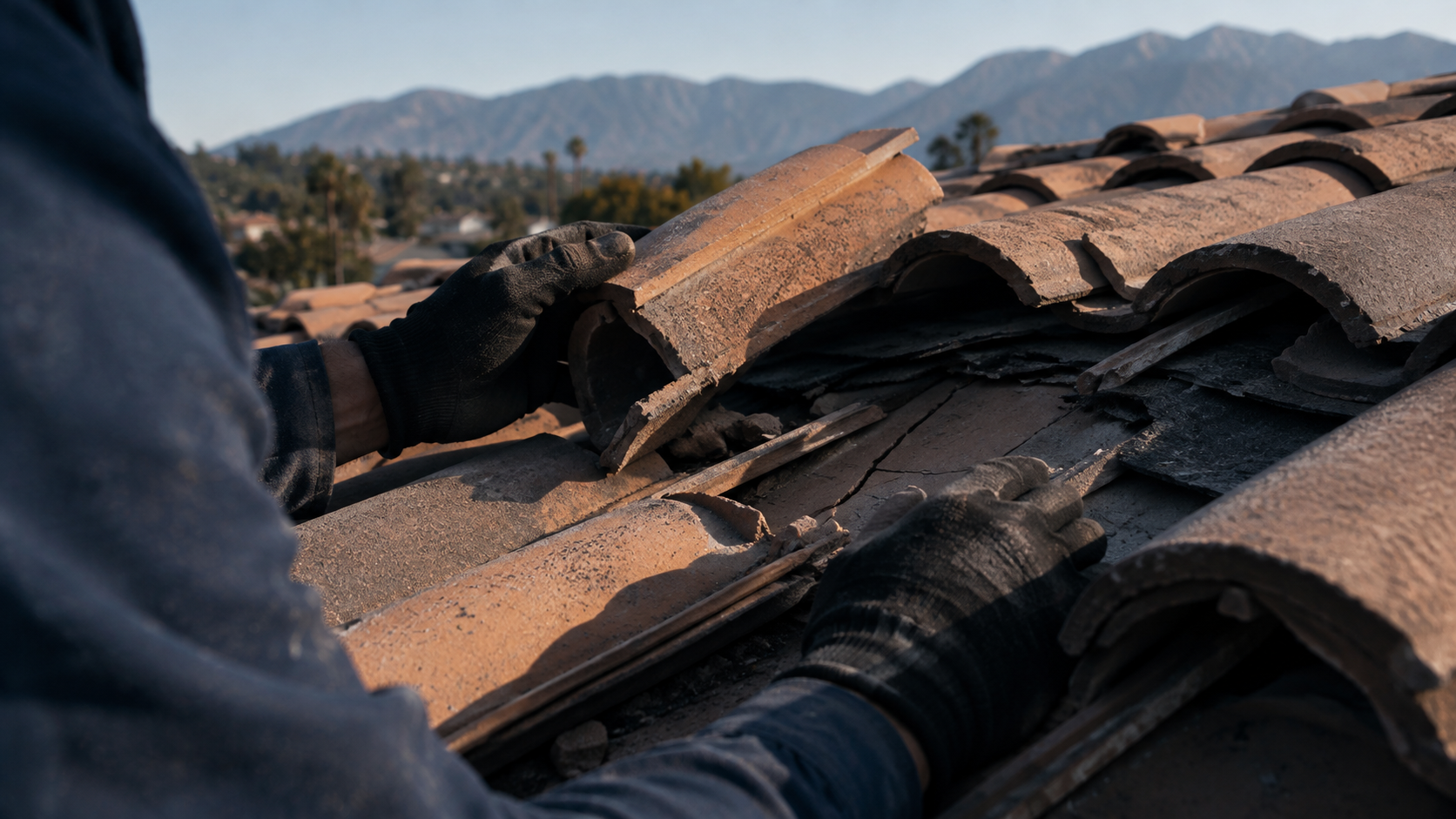
Reasonable steps mean temporary measures: tarping an opening in a roof, shutting off the water supply, boarding a broken window, running fans or dehumidifiers to limit secondary water damage. Keep every receipt for materials and labor, and photograph the mitigation work itself. Carriers generally reimburse reasonable mitigation costs, but generally only where they are documented.
What to avoid is permanent repair before the carrier has had a reasonable opportunity to inspect. Rebuilding a wall before anyone has seen what was behind it removes the ability to prove what was there. If a permanent repair genuinely cannot wait, document the pre-repair condition exhaustively and notify the carrier in writing why the work could not be delayed.
Contents claims are where documentation gaps hurt most, because nobody remembers the contents of a closet six weeks later. Start the list within the first few days.
For each item, record what it is, roughly when it was purchased, what was paid, and what replacing it would cost today. Receipts, delivery confirmations, card statements, and old photographs of rooms are all useful supporting material. Model numbers help for appliances and electronics. For furniture and clothing, brand and condition are worth noting.
Carriers pay on documentation. A thorough inventory is harder to reduce line by line than a general description, and building it early is far easier than reconstructing it later.
An adjuster may produce a settlement figure quickly. That is not unusual and it is not automatically unfair, but an early number is calculated from an early and often incomplete picture of the loss.
Before responding, get an independent repair estimate from a licensed contractor. Compare the two documents line by line rather than comparing the totals. Ask what the offer includes and what it excludes, and get that answer in writing. Read anything presented for signature carefully, because a release is a different document from a claim payment.
Most claims in the first 72 hours do not need a lawyer, and that is worth saying plainly. What they need is documentation and a property owner who understands what the policy asks of them.
Where an early call does help is when the loss is large, when the cause is likely to be disputed, when a carrier is pressing for a recorded statement before the damage has been assessed, or when the policy language is unclear about what is covered. A short conversation at that stage costs nothing and can prevent decisions that are difficult to undo.
CaliClaims Law represents property owners in Los Angeles County and across Southern California in first and third party property damage claims. Reviews are free. Call (949) 996-7534.
Most policies require prompt notice rather than notice within a stated number of days, and what counts as prompt depends on the circumstances. The practical answer is to report as soon as it is safe to do so. Delay gives a carrier an argument that the damage worsened in the meantime, which is difficult to answer without documentation.
Policies generally require cooperation with the investigation, which can include a statement, but the timing is usually negotiable. Asking to schedule it after the damage has been assessed is a reasonable request. It is worth understanding how recorded statements are used before agreeing to one.
Reasonable costs incurred to prevent further damage are generally reimbursable under most property policies, provided they are documented. Keep receipts for materials and labor and photograph the mitigation work. Reimbursement of undocumented cash payments is difficult to obtain.
Temporary measures to prevent further damage are generally expected. Permanent repairs before an inspection are a different matter, because they remove the ability to show what was there. If a permanent repair cannot wait, document the condition thoroughly first and tell the carrier in writing why it could not be delayed.
It makes the claim harder but not hopeless. Contractor observations, mitigation company reports, moisture logs, disposal receipts, and photographs taken by anyone else who was at the property can all help reconstruct the condition. Gather whatever exists as early as possible.