
CaliClaims Law
one call. that's all
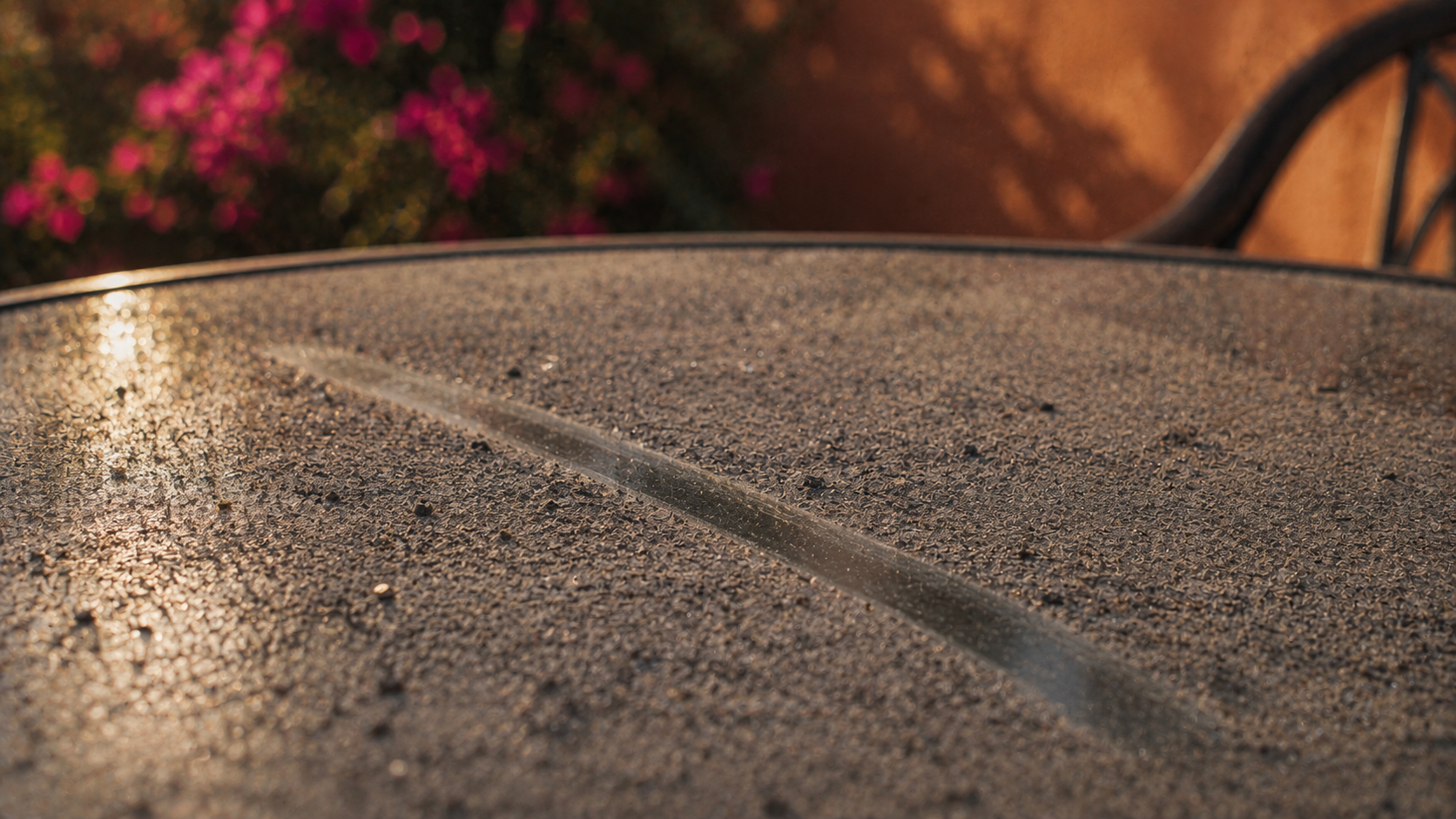
After a nearby fire, the houses that burned are surrounded by a much larger ring of houses that did not, and many of them are damaged anyway. Ash on every horizontal surface, soot drawn into the ducts, and an odor that outlasts every weekend of scrubbing. The flames are a few streets away. The claim is right here.
Smoke claims occupy an awkward spot in the insurance process. The damage is real but less photogenic than charred framing, so adjusters are quicker to minimize it, and the remedies get contested. A wipe down and an air filter is a very different payment than replacing insulation, ducting, and smoke saturated contents.
This article explains where smoke and ash claims go sideways in California and how to build one that holds. Coverage always depends on the specific policy language and the facts of the loss.
Fire residue is not one substance. Ash is the coarse fallout that settles on surfaces. Soot is fine combustion particulate that penetrates fabrics, carpets, insulation, and mechanical systems. Combustion also deposits chemical byproducts that can be corrosive to metals and electronics and that carry the odor everyone recognizes. Different residues call for different remediation, which is exactly why a single line item for cleaning rarely captures the loss.
The spread pattern is also different. Wind pushes smoke miles from a fire, and a home's own air handling system distributes it internally, pulling particulate into ducts and blowing it through every room. Damage shows up in attics, wall cavities, and mechanical systems that a walk through inspection never opens.
Finally, the harm is partly invisible. A surface can look clean and still hold residue that regenerates odor in warm weather or continues corroding electronics. That gap between appearance and condition is where testing earns its place.
Carriers price smoke claims around cleaning because cleaning is cheap. Wipe the walls, HEPA vacuum the carpets, run an ozone or hydroxyl treatment, and close the file. Sometimes that is genuinely enough. The dispute begins with porous and absorptive materials, because soot and odor compounds embed in them, and cleaning removes the surface layer while leaving the contamination.
Insulation, unsealed wood, drywall in heavy exposure areas, carpet and pad, upholstered furniture, mattresses, and clothing that fails repeated laundering are the recurring examples. Industry remediation standards recognize that some materials cannot be restored and must be removed, and a claim positioned around those standards reads very differently than a homeowner saying the smell came back.
Contents handling has a process of its own called a pack out, where a restoration vendor inventories, removes, and processes belongings off site, cleaning what responds and documenting what does not. Pack outs are legitimate and useful, and they deserve supervision: insist on a complete signed inventory before anything leaves, photograph high value items yourself, and get the vendor's determinations of cleaned versus unsalvageable in writing. Items that fail cleaning become replacement claims, and the paper trail from the pack out is what proves they failed.
Independent testing is the leverage point. Industrial hygienists and environmental labs can sample surfaces and air for combustion particulate and characterize the contamination, which converts the argument from subjective to measurable. When results show residue after the carrier's cleaning protocol, the case for replacement, or for a second and more aggressive remediation, largely makes itself.
Ash on sills, soot lines around vents and doors, and discoloration on filters should all be photographed before anyone wipes a surface. Cleanup destroys the best evidence a smoke claim has, so the camera comes first.
The filter is a passive sampler of everything that moved through the system. Bag it, date it, and photograph it next to a new one. If the system ran during the smoke event, note the dates and hours, because that establishes how contamination reached interior spaces.
List textiles, upholstery, mattresses, and paper goods on their own schedule with photographs and rough values. These are the items carriers most often fold into a general cleaning allowance, and a separate inventory keeps them visible as potential replacements.
Keep dated notes on where and when odor recurs, especially after warm days or after the carrier's remediation. A contemporaneous log beats a recollection, and recurrence after cleaning is the single strongest sign the source material is still in the house.
Combustion residue is mildly corrosive, and its damage to electronics, appliances, wiring, and metal finishes develops over weeks rather than days. Note and photograph any discoloration, tarnish, or malfunction as it appears, and list exposed electronics on the inventory even if they still work today. A television that fails in month three belongs to the fire, and the record you kept is what connects it.
Independent industrial hygiene testing and a remediation contractor's written protocol give the claim numbers and standards to stand on. Ask the carrier in writing to hold its position open until results are in, and get its sampling methodology in writing if it runs tests of its own.
Fire and smoke claims tend to erode one category at a time. Repair scope, like-kind quality on what gets replaced, cleaning where materials cannot be restored, and how long additional living expenses run. Send the denial letter, the estimate, or just the story, and we review your policy and the insurer's position at no cost.
Get my free claim reviewWhatever remediation the carrier funds, make clearance the standard. Professional protocols end with verification, retesting or documented inspection showing the contamination is actually gone, and a claim closed on completion of work rather than confirmation of results is a claim positioned to reopen the hard way. Ask in writing that the scope include post remediation verification, and if odor or residue persists after the carrier's protocol, that persistence is new evidence, not a new argument.
California homeowners policies generally cover direct physical loss from fire, and smoke, soot, and ash from a fire are ordinarily part of that peril, including when the flames never touched the insured property. Disputes tend to focus not on the peril but on whether particular contamination rises to physical damage and what remediation the policy owes.
The claims handling rules apply with full force here. An insurer that rejects a smoke claim without inspecting beyond a walk through, or that refuses to explain why it treats saturated insulation as cleanable, is taking positions it may not be able to support in writing. Policyholders are entitled to the basis for those positions, and to contest them with their own testing and standards.
Smoke contamination can also make a house temporarily unlivable, and the displacement side of the claim should not get lost in the cleaning dispute. Heavy odor, active remediation with equipment running, or health concerns for young children and vulnerable residents are real habitability questions, and additional living expense coverage exists for exactly this stretch. The loss of use article in this series covers that claim in full, and it applies to smoke losses just as it does to burn losses.
Do the deductible math honestly, in both directions. A light ash cleanup can genuinely land under the deductible, and homeowners sometimes skip claims that would have cleared it comfortably, because the visible wipe down hid the ducts, the insulation, the contents, and the electronics that belonged in the same total. Scope the whole loss first, then decide whether it is a claim. Deciding from the surface alone answers the wrong question.
Smoke files arrive at the firm looking thin because the damage photographs poorly, so the first project is usually thickening the record: testing results, remediation protocols, the contents schedule, and the odor log, assembled against the carrier's cleaning only position.
CaliClaims Law acts for policyholders exclusively, and on smoke claims that means pressing the difference between a surface that was wiped and a house that was actually restored. The demand goes to the carrier in writing with the objective material attached, and it escalates if the answer does not move.
Past results do not guarantee a similar outcome. Every claim is different.
Distance is not the test, damage is. If ash and soot reached your property and contaminated it, the loss is generally within the fire peril under a California homeowners policy. Document the fallout, and treat the claim as seriously as if the flames had been next door.
Sometimes, for hard nonporous surfaces with light exposure. For insulation, ducting interiors, and absorptive contents, cleaning often fails, and remediation standards say so. Ask the adjuster to state in writing which materials the carrier believes are restorable and on what standard, then test that answer.
Testing you commission is a claim expense to raise with the carrier, and reasonable investigation costs are frequently recoverable as part of the loss, though policies vary. Even where a policyholder ends up bearing the cost, results that reclassify a whole house from cleanable to replace typically repay it many times over.
Ash intrusion from a distant fire is still fire related fallout, and claims for cleaning, HVAC decontamination, and damaged contents are routinely made on that basis. Carriers scrutinize these claims harder, which raises the value of photographs, filter evidence, and testing rather than lowering it.
Yes. You bring the estimate, the correspondence, and any testing, and the firm tells you whether the carrier's cleaning position holds and what would move it. CaliClaims Law reviews property insurance claims for Southern California policyholders at no cost. One call. That's all.