
CaliClaims Law
one call. that's all
Water claims get denied at a pace that surprises people, and the letters lean on a small, familiar vocabulary: long term, seepage, wear and tear, ground water, maintenance. The words do heavy lifting because each one points toward an exclusion, and each one is chosen after the fact to describe damage that could often be described another way.
A denial in this territory is a characterization contest. The carrier characterized your loss into an exclusion. The question is whether the physical facts, the failed part, the moisture pattern, the plumber's findings, support that characterization or contradict it. Very often they contradict it, and the denial ages badly once someone assembles the evidence.
This article decodes the standard water denial grounds and lays out the response sequence. Coverage always depends on the specific policy language and the facts of the loss.
Gradual damage is the leading ground. The carrier asserts water escaped slowly over weeks or months, placing the loss under the seepage and long term leakage exclusion. The tell is that the assertion often rests on ambiguous markers, staining, corrosion, a ring of mineral deposit, that can accompany a recent sudden failure just as easily as an old one.
Maintenance and wear comes second. Here the carrier attributes the loss to deterioration, an aging water heater, a worn seal, deferred upkeep, and declines the whole claim on that basis. The move buried inside this ground is the leap from an excluded cause to an excluded result, and that leap is frequently wrong: even where the worn out part is not covered, the sudden discharge and the damage it did often are.
The flood exclusion rounds out the set, invoked when water arrived at ground level, rain runoff, an overwhelmed drain, water entering where slab meets soil. Genuine rising surface water is excluded and separately insurable, but the label gets stretched onto losses that are really wind driven rain through a storm opening or a plumbing failure, and the stretch is contestable.
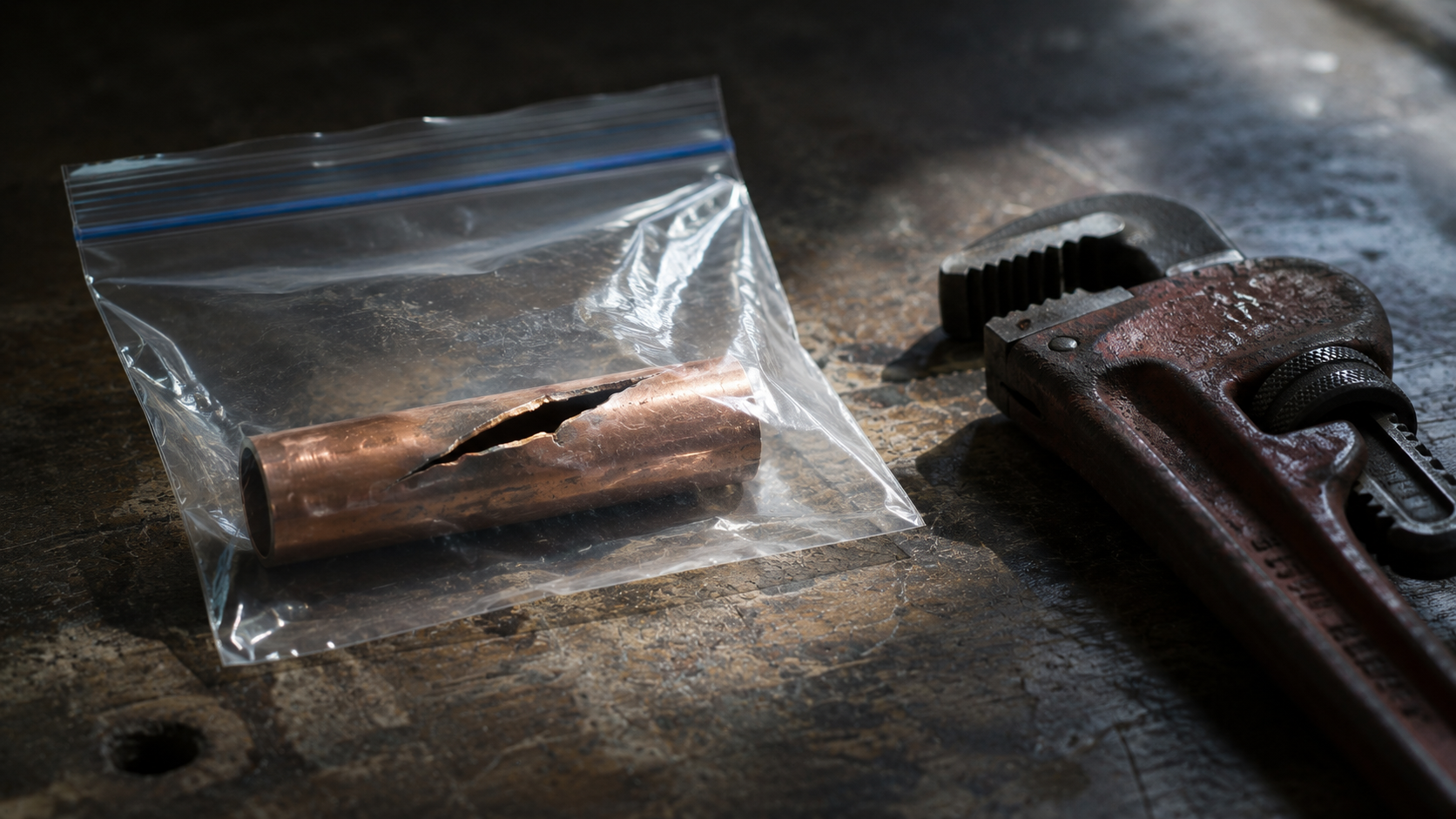
A word on the tension every water loss creates. The policy demands prompt mitigation, dry it out, stop the spread, and the dispute demands preserved evidence, and the two pull against each other in the first frantic day. The resolution is sequence, not choice: photograph and video first, pull the failed component and bag it, then let the drying proceed at full speed. Ten minutes of documentation satisfies both masters, and losing the evidence to the cleanup is the one error this claim type never forgives.
Read the letter for its load bearing words and ask what evidence sits behind each. Long term based on what observation, by whom, with what qualifications? Ground water established how, when no one tested where the water came from? A denial is only as strong as the investigation under it, and California expects that investigation to be real, with the factual basis stated. Vague letters usually mean thin files.
Watch for the secondary grounds that ride along with the main one. Letters add late notice, failure to mitigate, or incomplete documentation as backup theories, partly to thicken the file and partly to see what sticks. Each rider has its own answer: notice given when the damage was reasonably discoverable, mitigation shown through the emergency invoices, documentation supplied on a schedule you set in writing. Answering only the headline ground and leaving the riders unaddressed gives the carrier a fallback it has not earned.
Then read the cited exclusions in the actual policy, complete with their exceptions. Seepage exclusions have edges. Water damage provisions distinguish sources. Ensuing loss language can restore coverage the exclusion seemed to remove. The distance between the exclusion as summarized in the letter and the exclusion as written in the policy is where denied claims come back to life.
Water claims often turn on a single question: whether the loss happened suddenly or developed over time. That distinction can decide coverage, and it is frequently resolved against the policyholder with little explanation. Send us what you have. We read the policy language the insurer is relying on and tell you how it applies. Reviews cost nothing.
Get my free claim reviewWater denials flip on physical proof more than argument. The fractured fitting in a bag. Moisture readings mapping a fresh event rather than a chronic one. Utility bills showing when usage spiked. A drying log establishing what was wet and when. Weather records tying interior water to a specific storm opening rather than rising ground water. None of these require a laboratory, and together they outweigh an adjuster's drive by characterization.
California's mixed causation rule does quiet work here too. Where covered and excluded causes both contributed, coverage generally follows the efficient proximate cause, the predominant force that set the loss in motion. A deteriorated component as background and a sudden discharge as the driving event is a pattern that, properly framed, lands on the covered side more often than denial letters admit.
Denials issued from thin inspections invite a specific demand: a joint walkthrough with the plumber or contractor who made the findings the letter contradicts. Put it in writing, name the attendees, and list the conditions to be examined together, the fracture surface, the moisture gradient, the entry pathway. Carriers that decline a documented offer to show their conclusion the physical evidence have made a record against themselves, and carriers that accept frequently leave the walkthrough with a different position than they arrived holding.
Household data leaves a trail worth pulling. Water utility statements show consumption jumping in the billing period of the failure, not creeping for a year. Smart leak detectors, irrigation controllers, and even thermostat humidity logs can timestamp when conditions changed. Neighbors and household members can date when the area was last dry. A denial that says months of seepage has to survive a data record that says otherwise, and assembling that record costs an afternoon.
The firm treats a water denial as a hypothesis to test. The letter's characterization gets lined up against the artifacts, the trade findings, and the policy text, and the divergences get written down. In a surprising share of files the denial does not survive its own exclusion's exceptions.
From there the rebuttal issues with the record attached, and the matter escalates as needed. And because honest reads run both ways, a denial that genuinely holds gets called that too, so the policyholder spends energy where it can return something. Only policyholders, never carriers, on every file.
Past results do not guarantee a similar outcome. Every claim is different.
That question is itself part of the answer. Hidden losses are judged differently, several policy forms and California decisions treat concealed leaks more favorably when the homeowner could not reasonably have discovered them, and the denial should be tested against that reality rather than accepted as written.
The heater's age may take the heater itself out of coverage, and the sudden discharge that ruined the flooring is a separate question the ensuing loss analysis usually answers in the policyholder's favor. Do not let one excluded appliance become an excuse to deny an entire covered loss.
Only if the label is right. Wind driven rain through storm created openings, plumbing and drain failures, and water from above are not rising surface water, and misapplied flood labels are among the most reversible water denials. The facts of entry, documented quickly, decide it.
Weaker, not dead. Plumber invoices and notes, photographs, moisture documentation, and witness accounts can still carry the causation story, and the carrier's own inspection gaps still count against its characterization. Preserve everything that remains and build from there.
Nothing to find out where you stand. The review covers the letter, the policy, and the evidence, and ends with a plain answer on whether the denial can be beaten. CaliClaims Law reviews property insurance claims for Southern California policyholders at no cost. One call. That's all.