We represent Hawaii policyholders, never insurance companies, in hurricane, wind, storm, water, flood, fire, smoke, roof, and condominium property claims. Hawaii matters are handled by an attorney licensed in Hawaii. Tell us what the insurer told you and we will tell you where you stand, free.
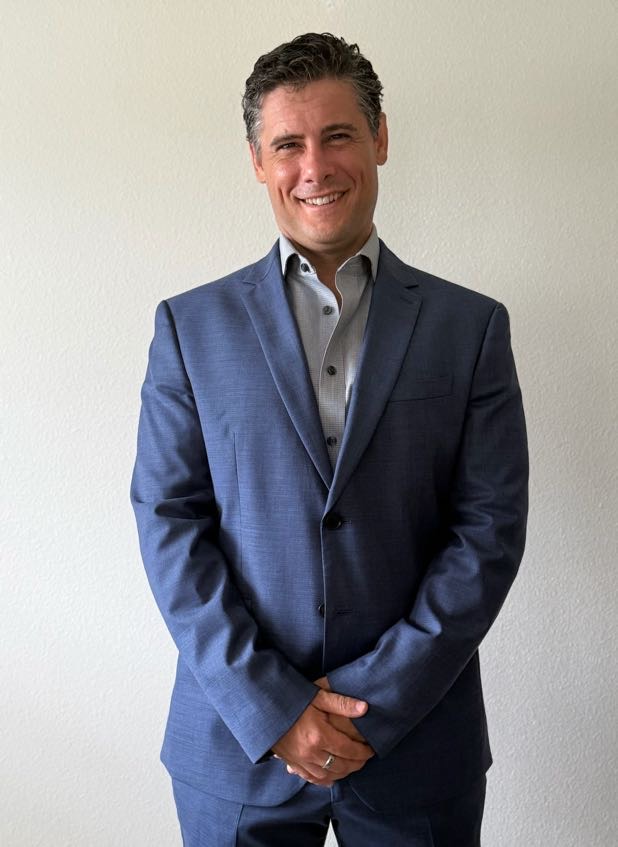
Zachary Stoltz is admitted to practice in Hawaii and handles Hawaii matters for clients of CaliClaims Law. Office: 95-1015 Kahakuhi St. Mililani, HI 96789.
Wind, wind-driven rain, and roof damage claims, including disputes over whether a hurricane deductible applies and whether the loss was wind or water.
Sudden pipe failures, roof leaks after a storm, and interior water damage the insurer calls long term seepage, maintenance, or wear.
Denial letters, quiet files, and payouts far below a contractor's estimate. We review the insurer's stated reasons against the policy and the claim file.
Unit owner claims, master policy disputes, loss assessments, and the coverage gaps between an owner's policy and the association's policy.
Call or send your claim details. We respond the same business day.
We read your policy, the insurer's letters, and the estimates, and tell you where the claim stands.
If we take the case, we deal with the insurer directly, on contingency. No upfront fees.
After a storm, an insurer may attribute damage to flood, surface water, or seepage the policy excludes rather than to the wind that caused it. That distinction often decides the claim, and it is frequently arguable.
Roof and exterior damage is often denied as age, wear, or deferred maintenance. Weather records, inspection reports, and the policy's own wording can tell a different story.
Many Hawaii policies carry a separate percentage deductible for named storms. Whether it applies to a given loss, and to how much of it, is a coverage question worth reviewing before accepting the number.
Insurer estimates that omit line items, price repairs below local cost, or withhold depreciation can leave a payout well short of what the repair costs. We rebuild the number from the policy up.
A large share of Hawaii housing is condominium, so many losses fall under two policies at once: the association's master policy and the unit owner's own policy. When each insurer points at the other, the loss sits in the gap. We represent unit owners, and associations, in sorting out who pays.
Interior finishes, personal property, loss of use, and the portion of a loss the association passes on to owners.
Which policy responds first, where the master policy deductible falls, who absorbs it, and what the association's governing documents say about each.
When the association bills owners for part of a loss or for the master policy deductible, loss assessment coverage on the owner's policy may respond. Limits and triggers vary by policy.
Boards and property managers facing a denied, delayed, or underpaid claim on common elements, including hurricane, wind, and water losses.
Yes. We review your policy and your claim at no cost and tell you where you stand. If we take the case, we work on contingency: no upfront fees, and we are only paid if there is a recovery.
Hawaii matters are handled by CaliClaims Law and Zachary Stoltz of The Stoltz Law Corp., an attorney admitted to practice in Hawaii, working with CaliClaims Law.
No. We review claims across the state. Tell us where the property is when you reach out.
That gap is common in condominium losses. The two policies, the association's governing documents, and Hawaii's condominium statute together decide who pays. Send us both letters and we will tell you where the claim stands.
Hawaii association policies often carry a hurricane deductible set as a percentage of the building's insured value rather than a flat amount. When a named storm triggers it, the deductible can run into six figures and is often passed to unit owners as a loss assessment. Whether the assessment was calculated correctly, and whether your own HO-6 policy's loss assessment coverage applies, are worth reviewing before you pay.
Standard Hawaii homeowners policies generally exclude flood, which is usually covered by a separate NFIP or private flood policy, and hurricane wind coverage is often a separate policy as well. After a storm, insurers sometimes attribute damage to whichever policy pays least. Which policy should respond, and in what order, is often the real dispute.
FEMA assistance generally cannot duplicate what insurance pays, so FEMA asks for your insurer's settlement or denial first and may cover uninsured or underinsured losses after that. A denial letter matters for both: FEMA may need it to process your application, and it is often the document that tells you whether the denial is worth challenging. We are not affiliated with FEMA or any government agency.
Hawaii's unfair claim settlement practices law requires insurers to acknowledge and act promptly on claim communications, to investigate reasonably before denying, to explain a denial in writing, and not to delay paying amounts that are not in dispute. Missing those marks does not by itself win a claim, but it may be evidence of unreasonable handling.
Insurance policies and Hawaii law set time limits for disputing a claim, and some policies shorten them. Because those limits vary by policy and situation, deadlines are the first thing we check when a claim comes in. Do not wait on a quiet file.
Nothing upfront. We work on a contingency fee, which means our fee comes out of the recovery. If there is no recovery, there is no fee. The percentage is set out in the representation agreement before anything starts.
Denied, delayed, or underpaid, the first step is the same: a free review of your policy and your claim, answered the same business day.
Submitting the form does not create an attorney-client relationship, and information sent is not protected by attorney-client privilege until a representation agreement is signed.